

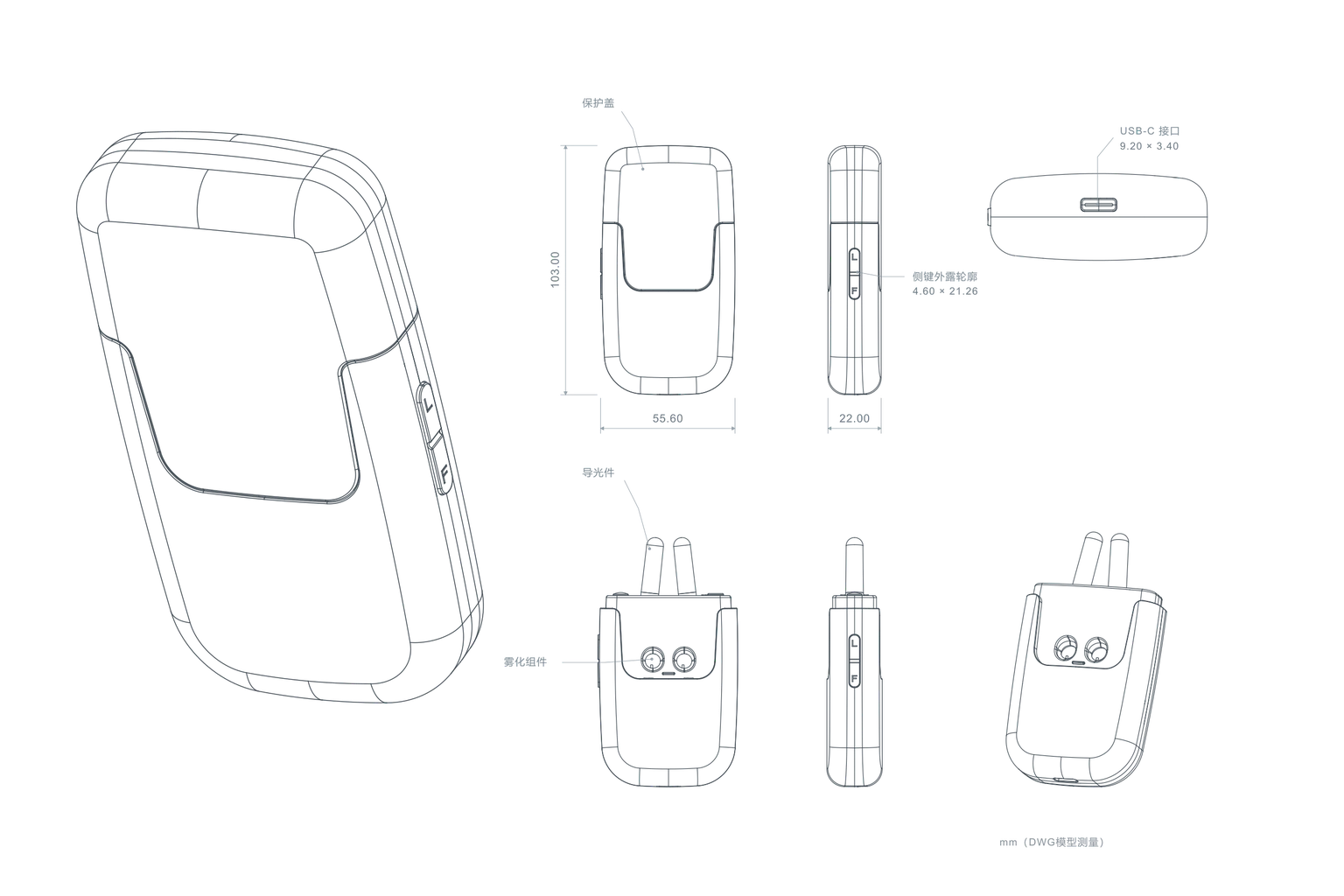
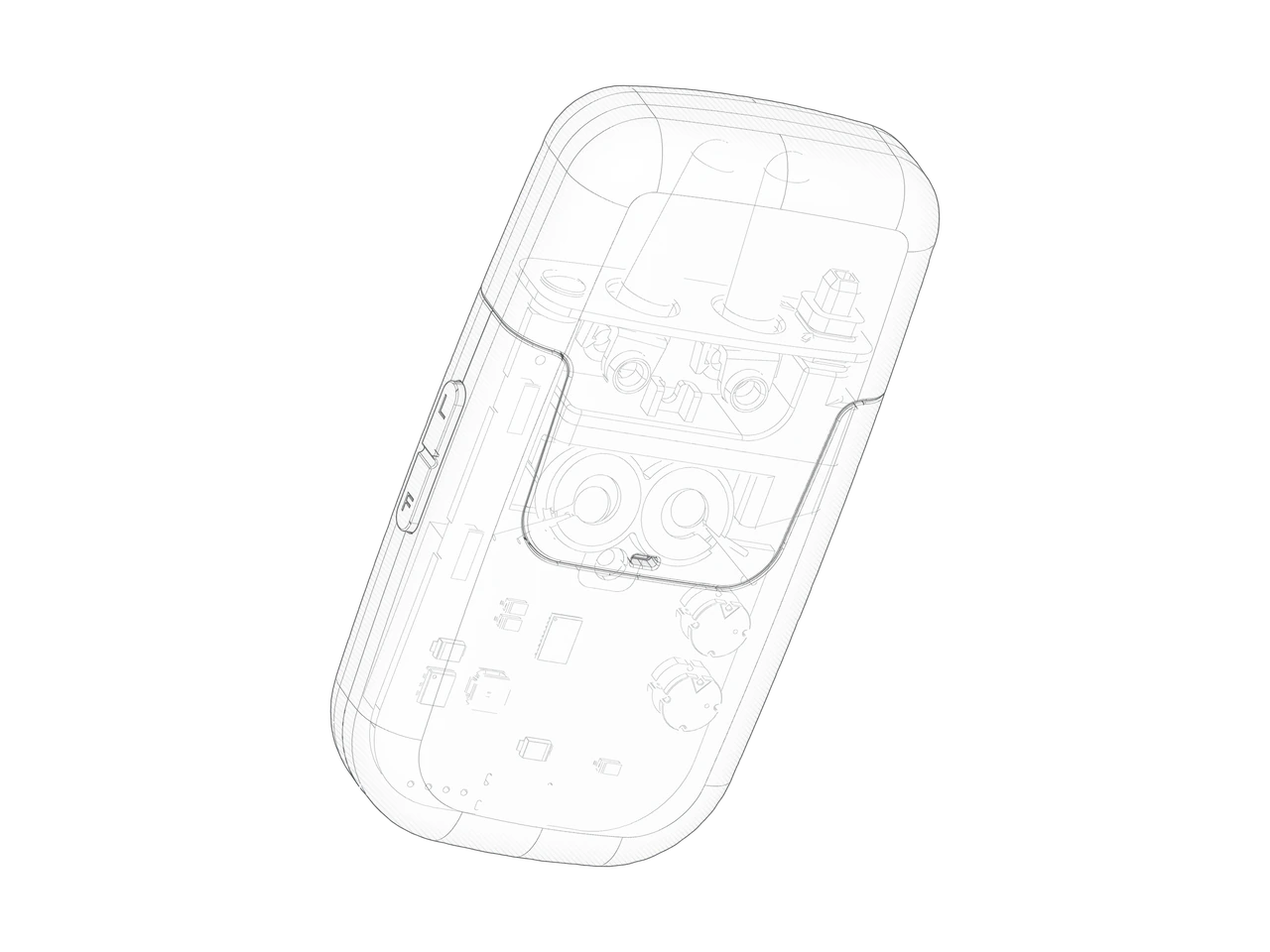
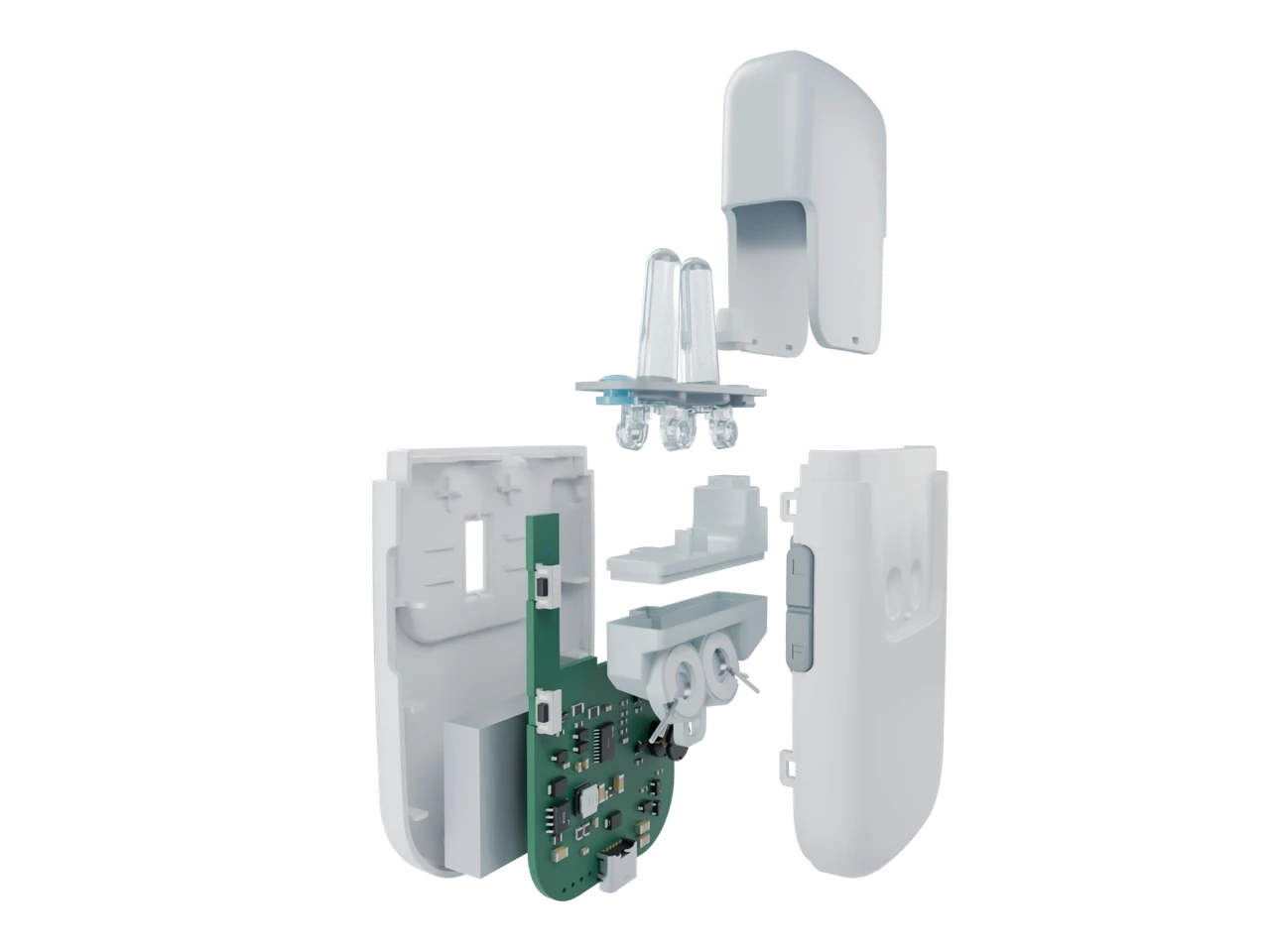





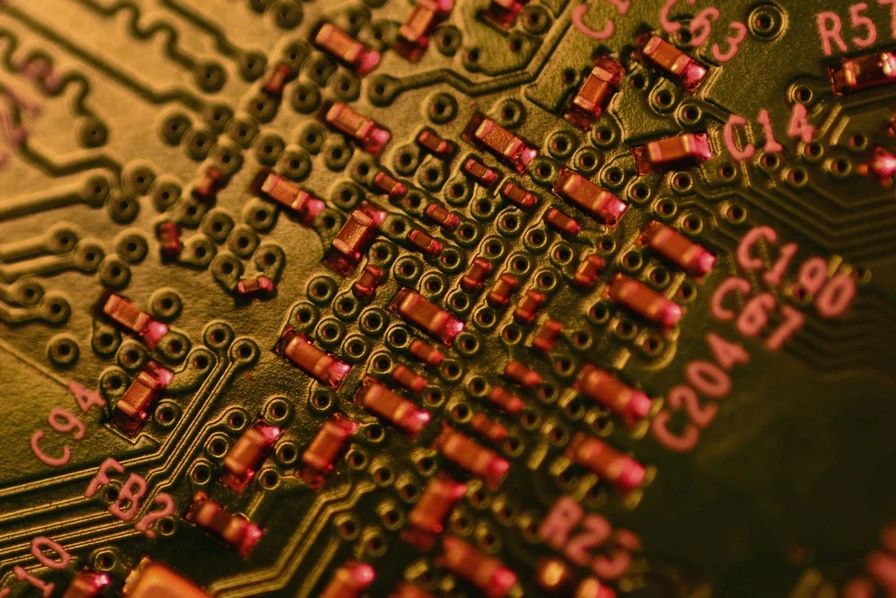



An enclosure does more than cover a PCB. In power electronics, it is also the structural frame, the interface reference and part of the thermal system.
- Application
- Industrial controls, power supplies and communications equipment
- Core process
- Precision sheet metal, thermal integration and assembly validation
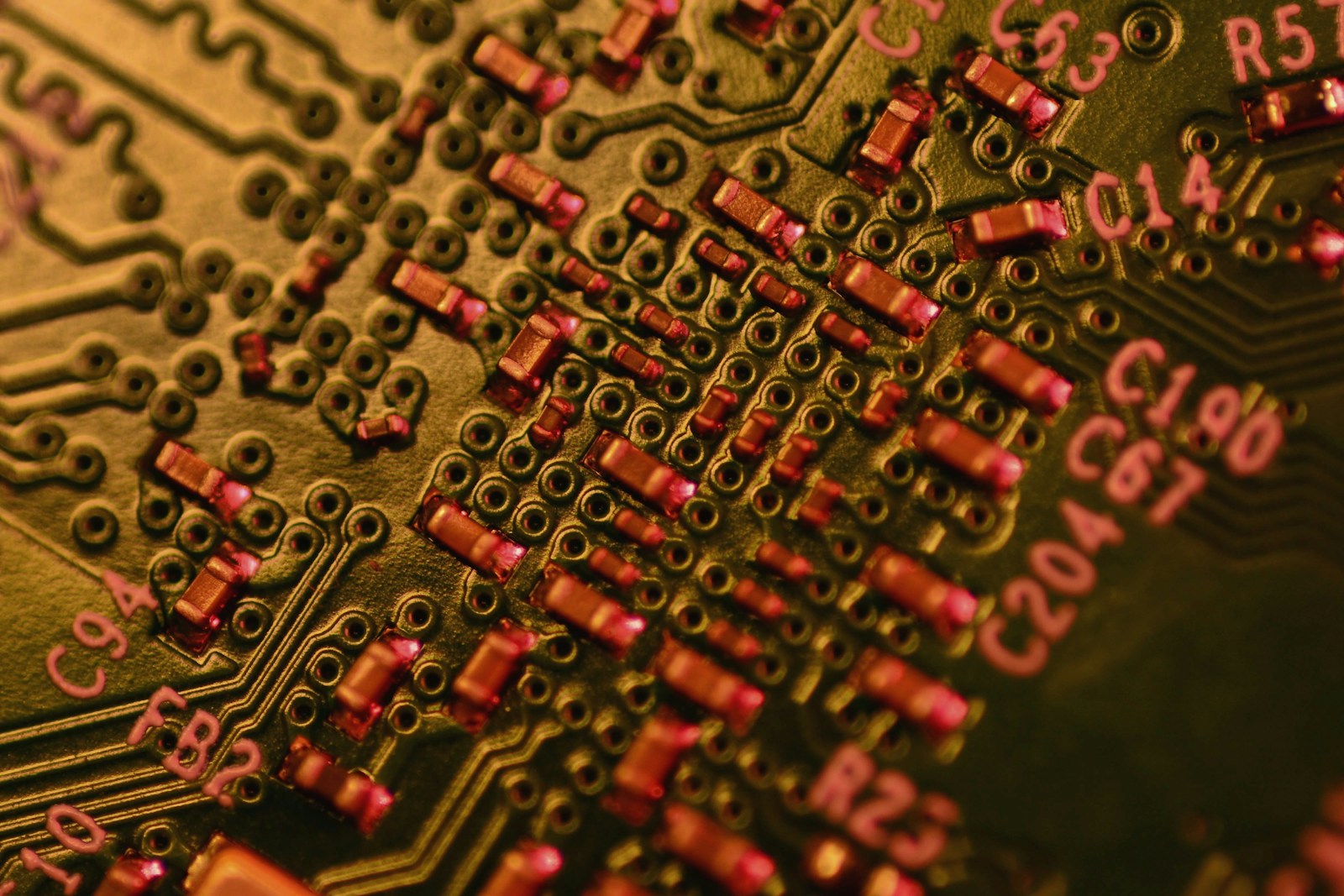
The challenge
A functioning PCB does not yet make a market-ready device. As an industrial controls manufacturer prepared to turn a desktop prototype into a small production run, it found that power-device cooling, connector alignment, harness clearance and maintenance access all competed for space in the same enclosure. The customer needed more than parts bent to a drawing. Thermal contact and the sheet-metal structure had to be worked back from heat-source locations to avoid excessive temperature rise, misplaced holes and assembly rework in production.
Our approach
YCMinMax first translated the electrical model into a list of whole-device constraints: heat dissipation and allowable temperatures, PCB and connector coordinates, airflow conditions, installation boundaries, grounding and protection requirements. The complete thermal path—from components through thermal interface materials to a heat sink or housing and then to ambient—was reviewed before defining contact areas, attachment methods, ventilation openings and the sheet-metal structure.
Detailed design accounted for flat patterns and springback when locating bends, kept holes away from areas prone to deformation, and selected suitable self-clinching standoffs or nuts for PCB supports. Welded areas allowed for distortion control and grinding. Surfaces needed for electrical grounding or thermal-interface contact were masked during finishing.
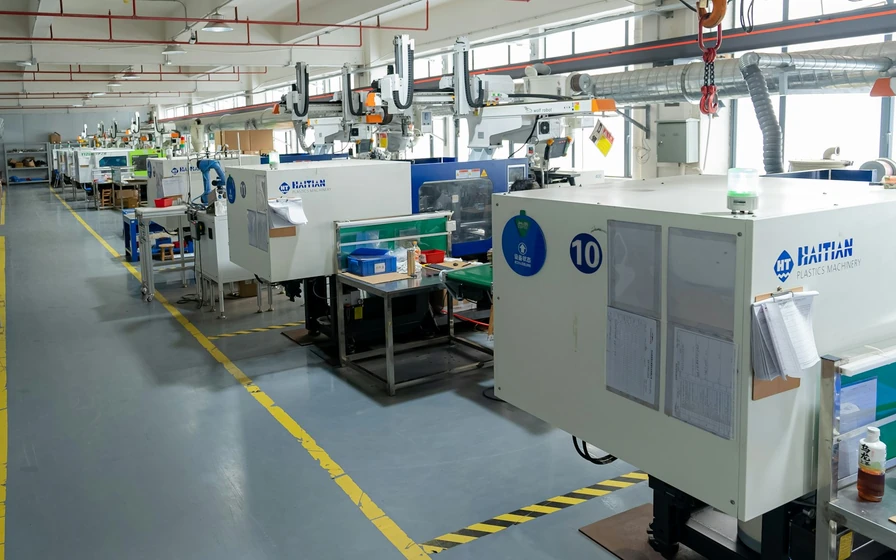
Laser cutting, bending, self-clinching fastener installation, welding, heat-sink machining and surface finishing were coordinated for the prototypes. A complete trial assembly used the actual PCB, harnesses, fans and connectors.
Validation & delivery
Inspection focused on features that affect the assembled device: PCB supports, connector openings, thermal contact surfaces and assembly datums. Self-clinching fasteners were checked for push-out resistance or torque, and thermal contact surfaces for flatness.
Following trial assembly, key component and enclosure temperature rises were recorded under representative operating conditions, with airflow paths, ground continuity and service access also checked. Findings fed directly back into flat-pattern drawings, the BOM and assembly requirements. The resulting structural kit could be consistently reproduced by suppliers and installed on arrival.





Client
Feedback