







Discontinued production does not end demand. The challenge in aftermarket development is to restore a reliable, economically viable supply chain without a complete drawing set.
- Application
- Automotive repair and aftermarket replacement
- Core process
- Reverse engineering, precision injection molding and plastic welding
The challenge
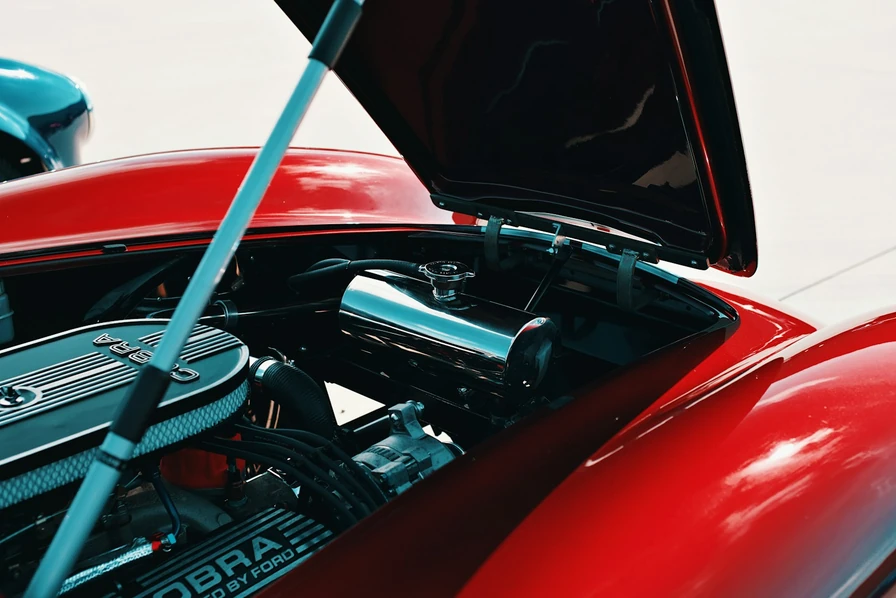
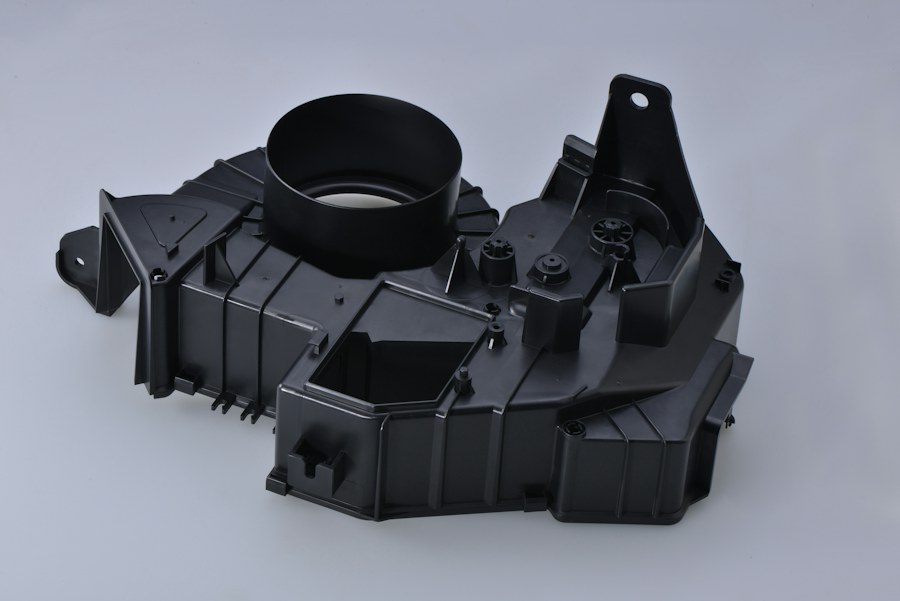
Years after a vehicle model left production, vehicles already on the road still required repairs. When the original power-steering fluid reservoir was no longer available, an aftermarket parts brand sought an alternative using a used part and vehicle installation information. Reproducing the shape was not enough: mounting points, hose connections, the cap and internal filter had to fit the vehicle, and the material had to tolerate power-steering fluid, heat and vibration. Limited sales volumes also required a realistic balance between tooling investment and small-batch cost.
Our approach
A used part cannot be treated as a dimensional standard. Long exposure to fluid and engine-bay temperatures may have caused shrinkage, warping or aging. YCMinMax established a coordinate system from vehicle installation datums, rechecked brackets, hoses, the cap, fluid level and surrounding clearances, and used teardown findings to reconstruct the internal filter, return-flow guidance and weld interface between the upper and lower shells. Distinguishing in-service dimensions from the original design intent avoided transferring wear and deformation into the new tooling.
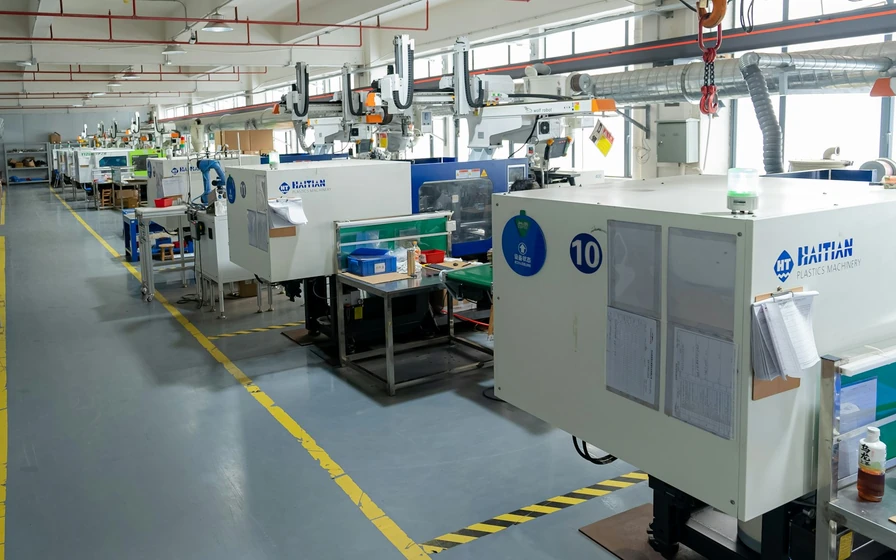
Material selection considered fluid type, operating temperature, fluid-level visibility and the welding method. Each shell was optimized for injection molding, including wall thickness, ribs, draft, gates and welding flanges. Vibration, hot-plate or ultrasonic welding was matched to the resin and joint geometry.
Because aftermarket volumes are often limited, the plan also compared tooling materials, cavity counts and automation levels, evaluating initial investment, tool life and unit cost together.
Validation & delivery
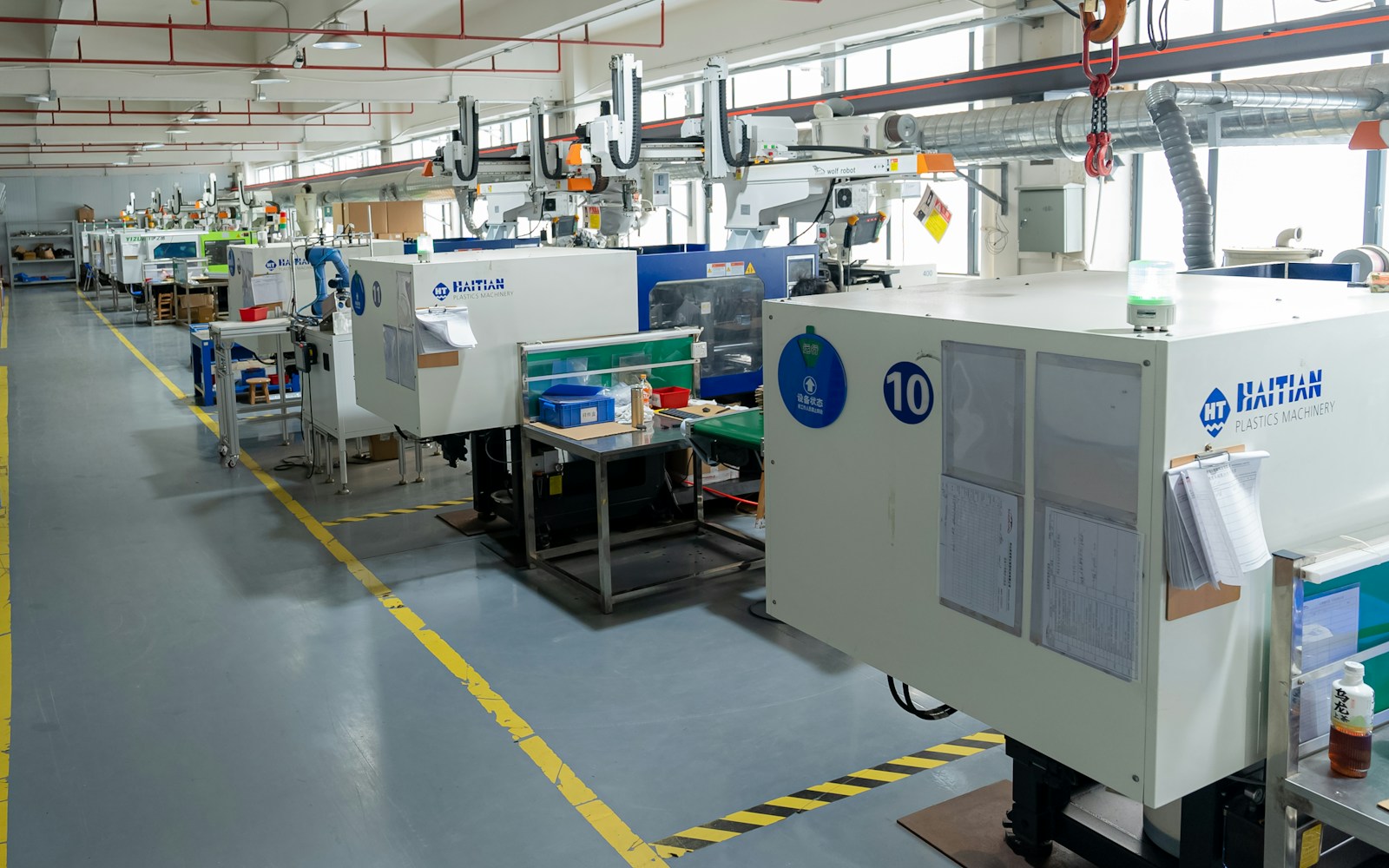
Initial mold-trial parts underwent installation, filling and fluid-level visibility checks, followed by airtightness, leak and any necessary pressure tests on the welds. Materials and complete assemblies can be tested against the customer's standards for fluid immersion, high- and low-temperature cycling and vibration, monitoring cracking, leakage, deformation and loose connections.
For series production, 100% in-line leak testing can be configured, with traceability for resin batches, molding parameters, welding parameters and inspection results. The aim is a sustainable small-batch replenishment route, rather than a one-off copy of the old part.
Application & process





Client
Feedback